Rincón del Este
Page FocusRegion: Merlo, San Luis
Landscape Type: Native woodland + streams & viewpoint
Core Experience: Birdwatching, interpretive trails, photography
Best For: Nature lovers and families
Argentina · San Luis · Merlo
Native flora & fauna refuge · Comechingones Range · Ecotourism
📍 Rincón del Este, El Rincón, Merlo, San Luis, Argentina
📞 Tel: +542664361087
🏛️ Nature reserve · Flora & fauna · Ecotourism
00
The Comechingones range, on the border of San Luis and Córdoba, holds several protected areas with very different characters. When planning, the three easiest to confuse are Rincón del Este (Merlo), Quebrada del Condorito in Córdoba, and Sierras de las Quijadas near San Luis city. They differ in landscape and experience.
| Destination | Region | Landscape Type | Core Experience | Best For |
|---|---|---|---|---|
| Rincón del Este | Merlo, San Luis | Native woodland + streams & viewpoint | Birdwatching, interpretive trails, photography | Nature lovers and families |
| Quebrada del Condorito | Córdoba Province | Canyon & high meadows | Trekking, Andean condor watching | Birders and hikers |
| Sierras de las Quijadas | Near San Luis city | Red rock formations & dinosaur fossils | Scenic drive, geological photography | Geology & paleontology fans |
Region: Merlo, San Luis
Landscape Type: Native woodland + streams & viewpoint
Core Experience: Birdwatching, interpretive trails, photography
Best For: Nature lovers and families
Region: Córdoba Province
Landscape Type: Canyon & high meadows
Core Experience: Trekking, Andean condor watching
Best For: Birders and hikers
Region: Near San Luis city
Landscape Type: Red rock formations & dinosaur fossils
Core Experience: Scenic drive, geological photography
Best For: Geology & paleontology fans
01
The Rincón del Este Flora & Fauna Reserve is one of the best-kept natural spaces around Merlo, in the heart of San Luis Province. It spreads across the foothills of the Sierras de los Comechingones, a mountain chain at the foot of the great Sierra Pampeana that concentrates much of central Argentina's biodiversity. The landscape and its people Merlo is known for its dry, sunny microclimate, its artisans and its slow pace — which earned it the nickname "little Switzerland" of San Luis. Around it the nature grows denser: forests of carob, chañar and jarilla, mountain streams and wildlife that wakes at dawn. Rincón del Este was created precisely to protect that balance. A conservation choice Unlike a traditional public park, Rincón del Este is a flora and fauna reserve that combines ecosystem care with responsible visiting. Its purpose is to keep representative samples of the native woodland, give shelter to local birds and mammals, and offer visitors an authentic nature experience with minimal intervention. Merlo, gateway to the hills The town of Merlo — founded in 1797 — is the natural starting point to discover the reserve. From there a short drive leads to El Rincón, where the reserve opens its trails to the public. That is why the history of Rincón del Este cannot be told without the history of Merlo and of the Indigenous peoples who lived in these hills long before the village.
Long before Merlo was founded (1797), these sierras were already home. Here, the landscape is not only walked: it is also read — in rock, mortars and subtle traces of dwelling.
To cope with cold nights and sierra winds, many homes were built partly below ground, using earth as a natural thermal buffer. A discreet architecture adapted to sharp day–night temperature swings.
On granite outcrops you may notice circular hollows carved by hand: conanas. They functioned as open-air “kitchens” and a practical survival technology.
The Sierras de los Comechingones hold one of the region's oldest cultural marks. Before colonisation, these mountains were territory of the comechingones, hunter-gatherers who left their sign on stone and in the memory of the place.
The comechingones inhabited much of central Argentina's sierras. In the Merlo and Comechingones region, painted and engraved stones survive — geometric motifs and figures carved in rock — that reveal how they saw the world. Walking these hills is, in a way, walking an open-air museum.
Although the village of Merlo was founded in 1797, human presence in these mountains is far older. Respecting those sites is part of visiting Rincón del Este: the reserve protects not only living nature, but also the landscape the original peoples called their own.
In local tradition the choique (the rhea, or American ostrich) is a recurring figure. Legend says the choique runs in circles to confuse whoever chases it and so protects its chicks among the bush. In Rincón del Este, spotting one of these flightless birds is an encounter with that same cunning of nature.
Local guides often tell these stories on the trails: they are not just anecdotes, but a way of teaching respect for the rhythms of the mountain fauna, especially in the breeding season.
The folklore of San Luis often speaks of the sierra as a place with a spirit of its own: they say that at dusk, when the sun gilds the rocks, the mountain "breathes" and grows quieter. Villagers advise walking slowly and speaking softly — not out of fear, but out of respect for those who live in the bush.
These beliefs, half pagan and half Christian, still accompany walks in Rincón del Este and remind us of something essential: this is a refuge, not a stage.
If Rincón del Este is seen only as a walking destination, its longer story disappears. This timeline reconnects people, nature and conservation on one line.
Indigenous groups such as the comechingones hunted and gathered in the Comechingones range, leaving painted and engraved stones that survive as open-air cultural marks.
The town of Merlo was founded in 1797 and became a base and rest stop at the foot of the mountains — today the gateway to the reserve.
With ecotourism rising, the value of native woodland, birds and streams was revalued, and private protected areas began to appear in these hills.
The reserve centres on protecting native vegetation and wildlife while opening interpretive trails to visitors, pairing conservation with public education.
02
To understand Rincón del Este you need no talk of buildings, but of relief, vegetation and water. These three factors explain why this slice of sierra is so rich in life.
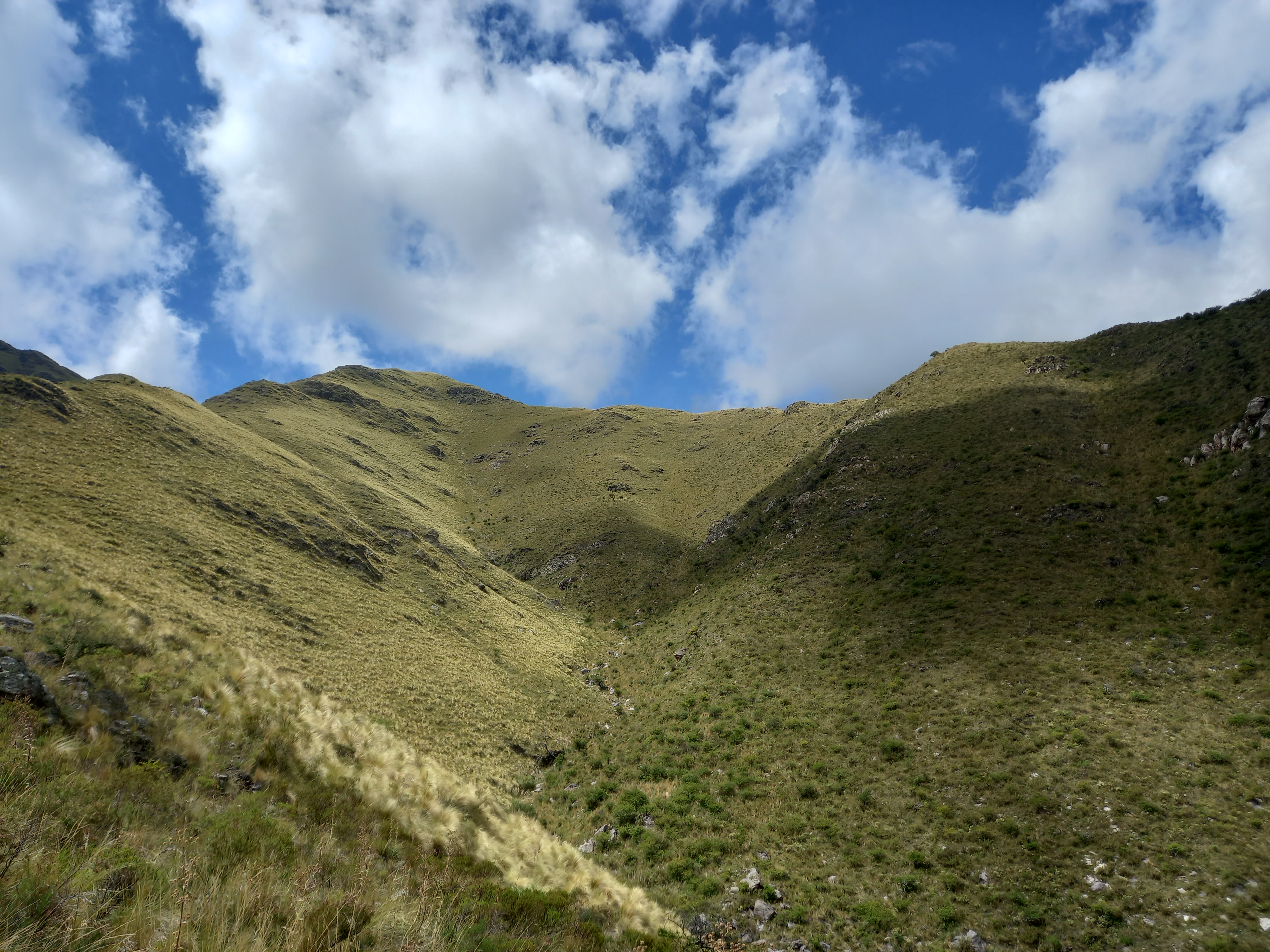
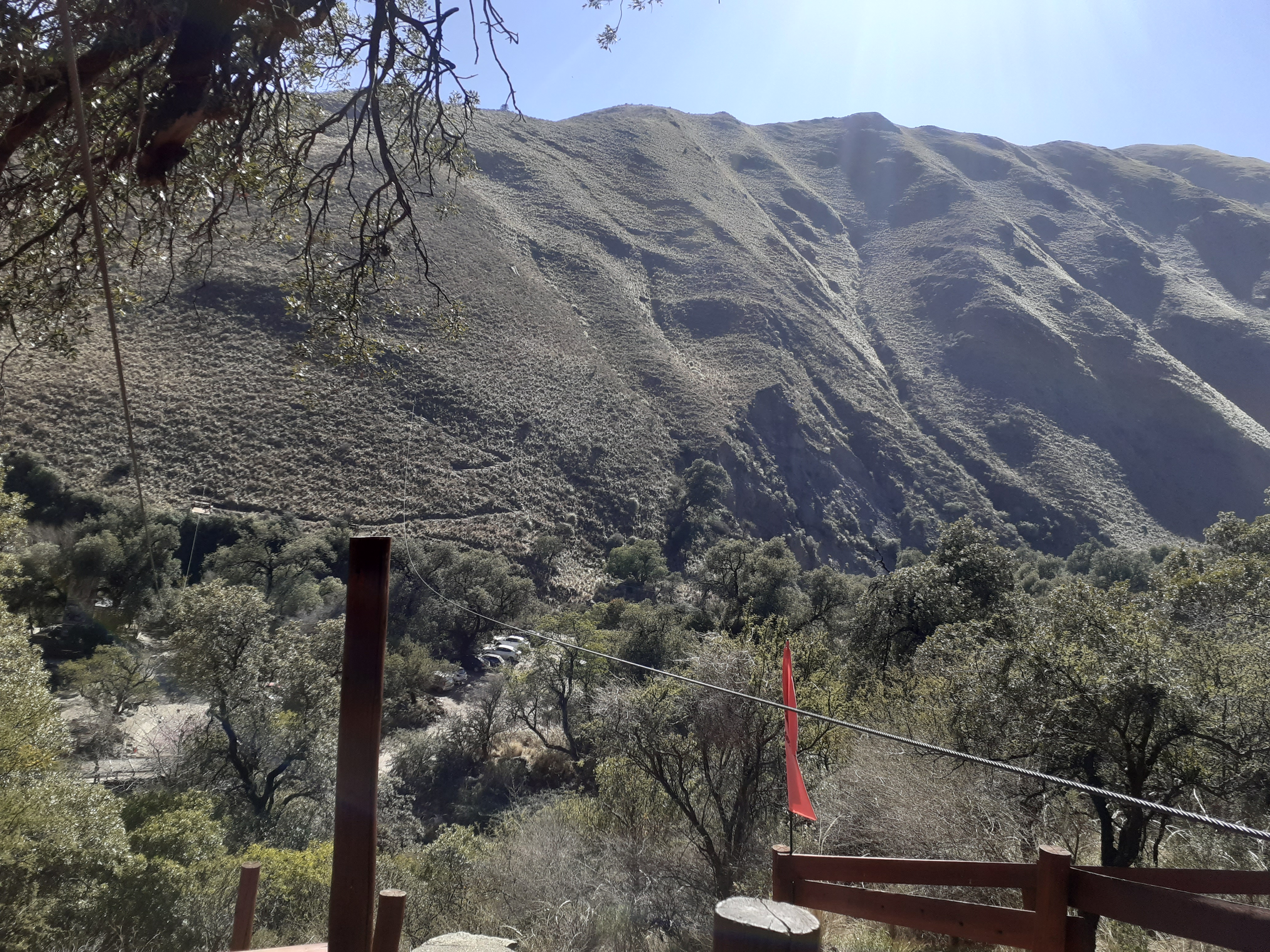
The Sierras de los Comechingones are crystalline mountains, older than the Andes, formed by the folding of the Sierra Pampeana. In Rincón del Este the terrain undulates between hills, basalt stones and small ravines. Soils are shallow and sandy, forcing the vegetation to be tough and economical with water. That is why the landscape looks "open": there is no jungle, but a low, thorny woodland that reveals sky and stone — a kind of beauty quite different from forest or prairie.
The native woodland of Rincón del Este is a community of xerophytes — drought-resistant plants. Carob, chañar, jarilla and molle dominate, alongside cacti and tough grasses. In spring, species bloom that in a few weeks paint the ground yellow and violet. This plant diversity is the base of the chain: it gives fruit, shade and shelter to birds, insects and small mammals. Knowing the bush is understanding who eats whom and how everything holds together.
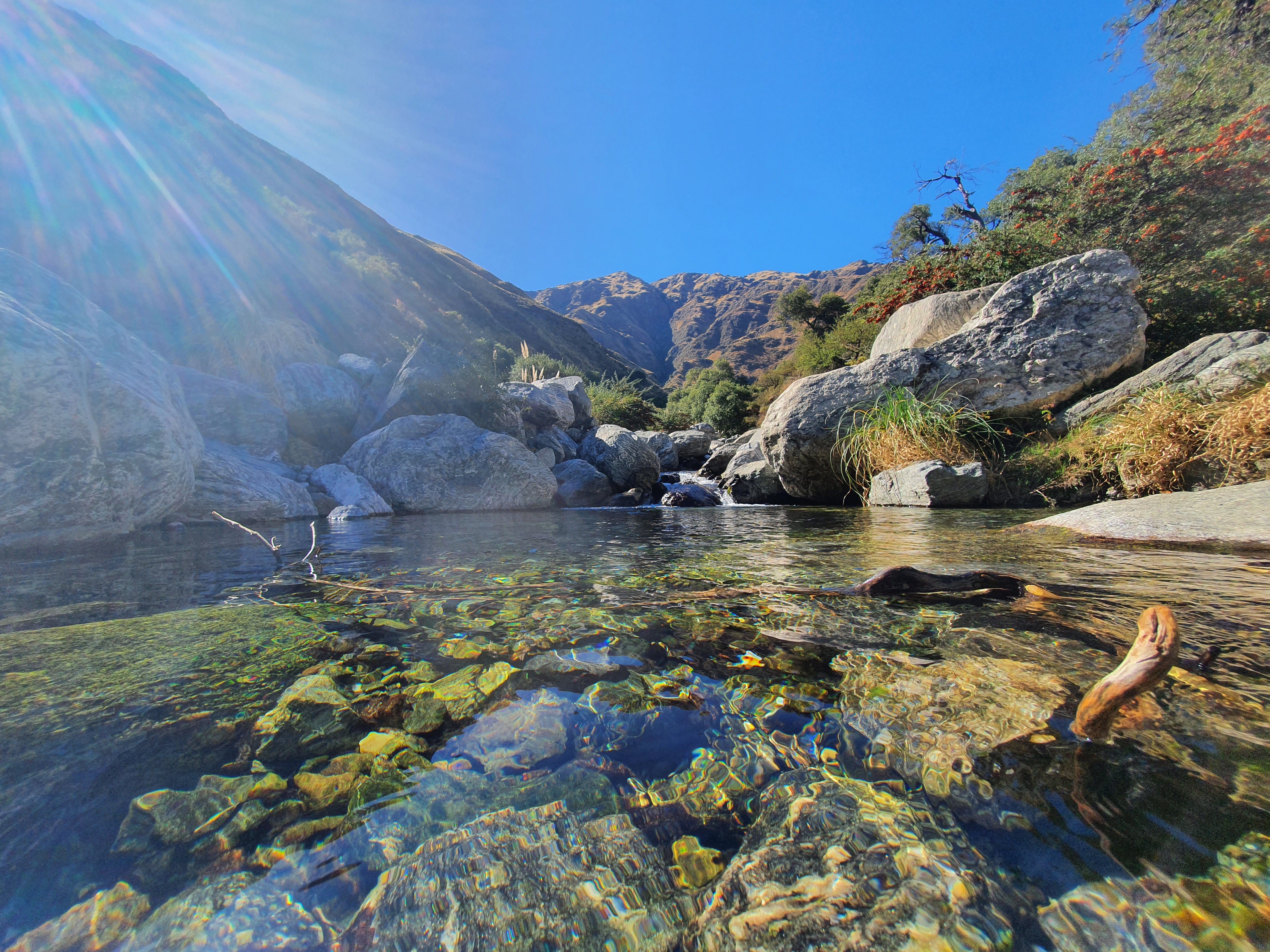
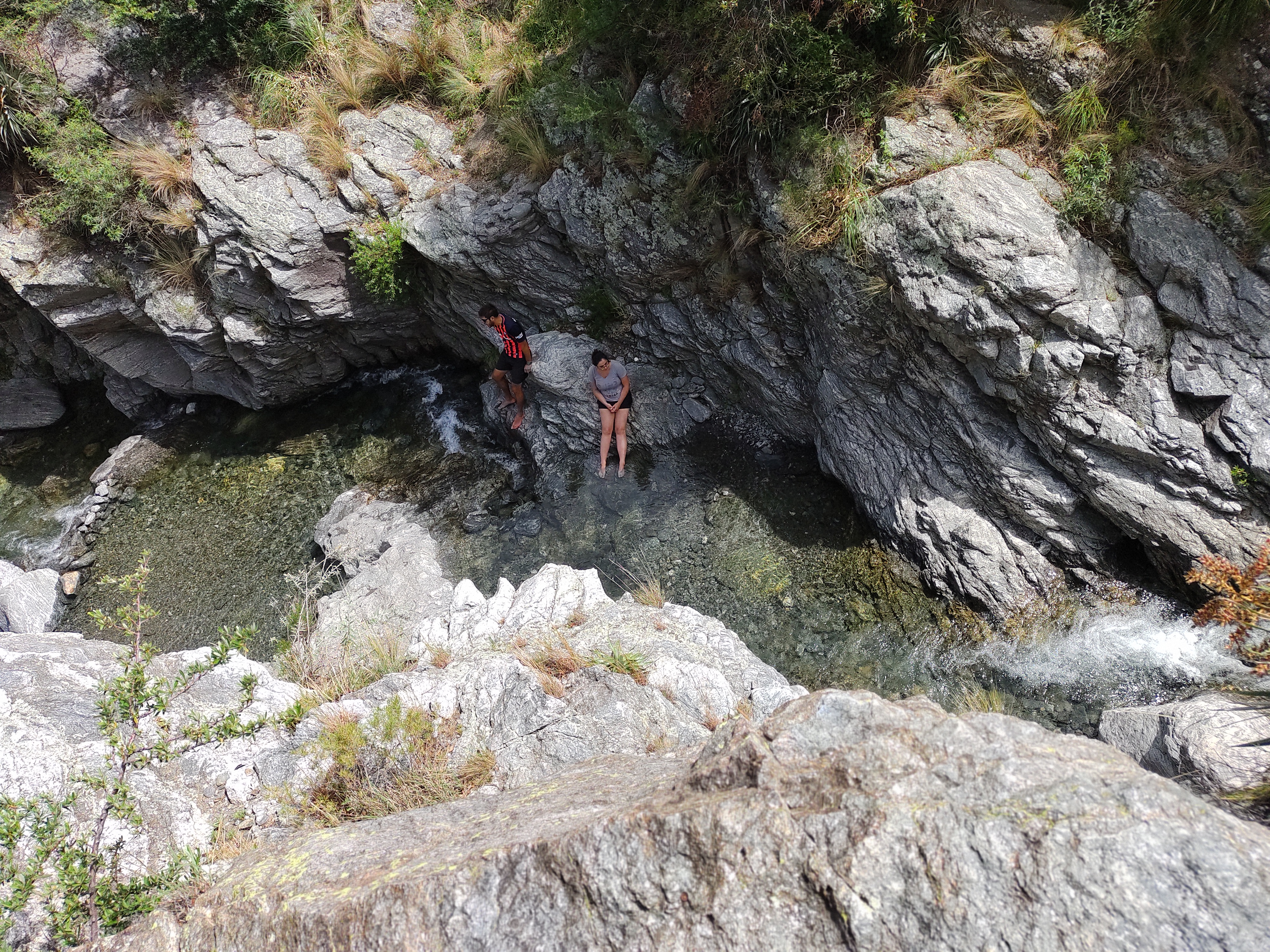
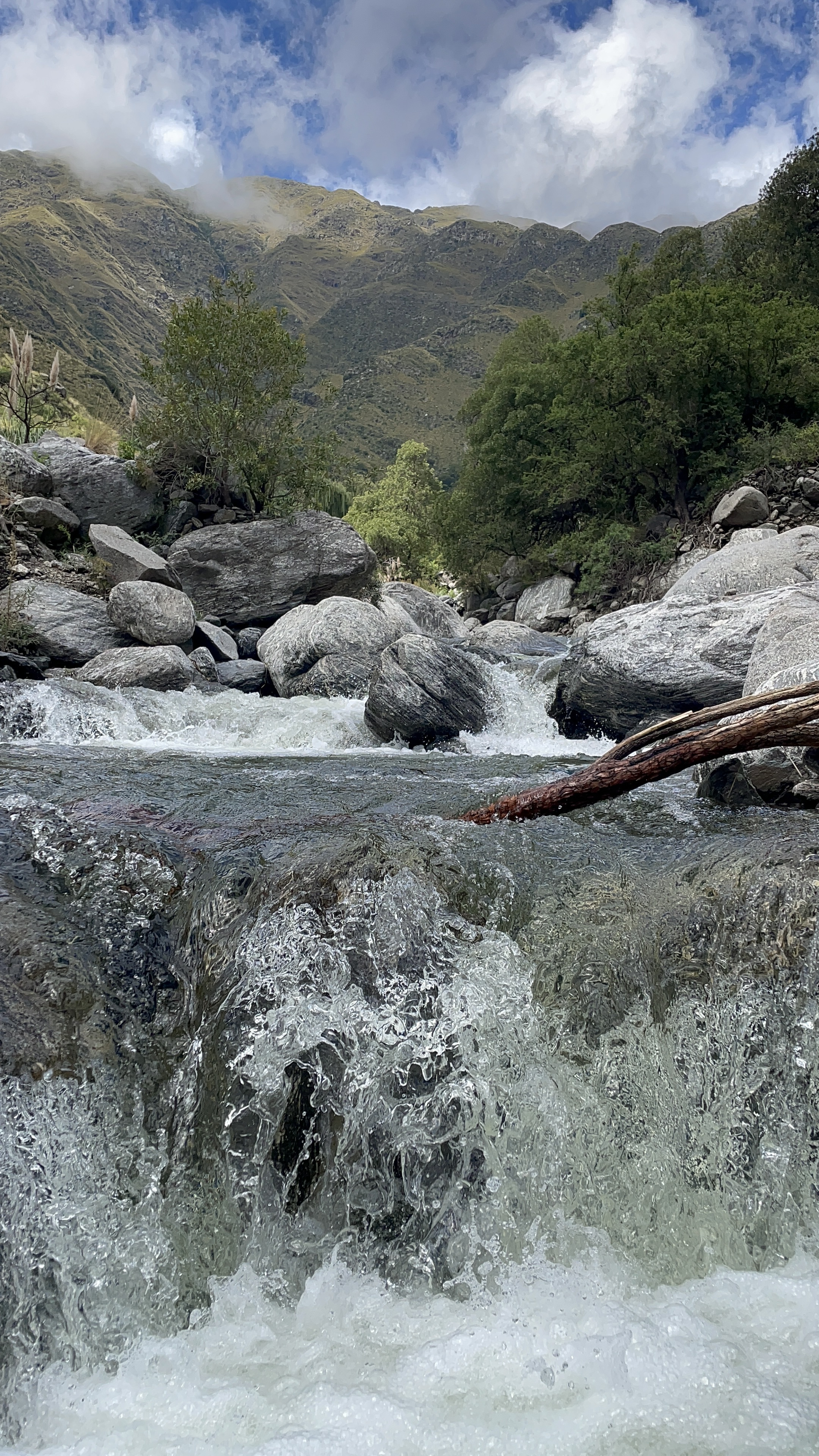
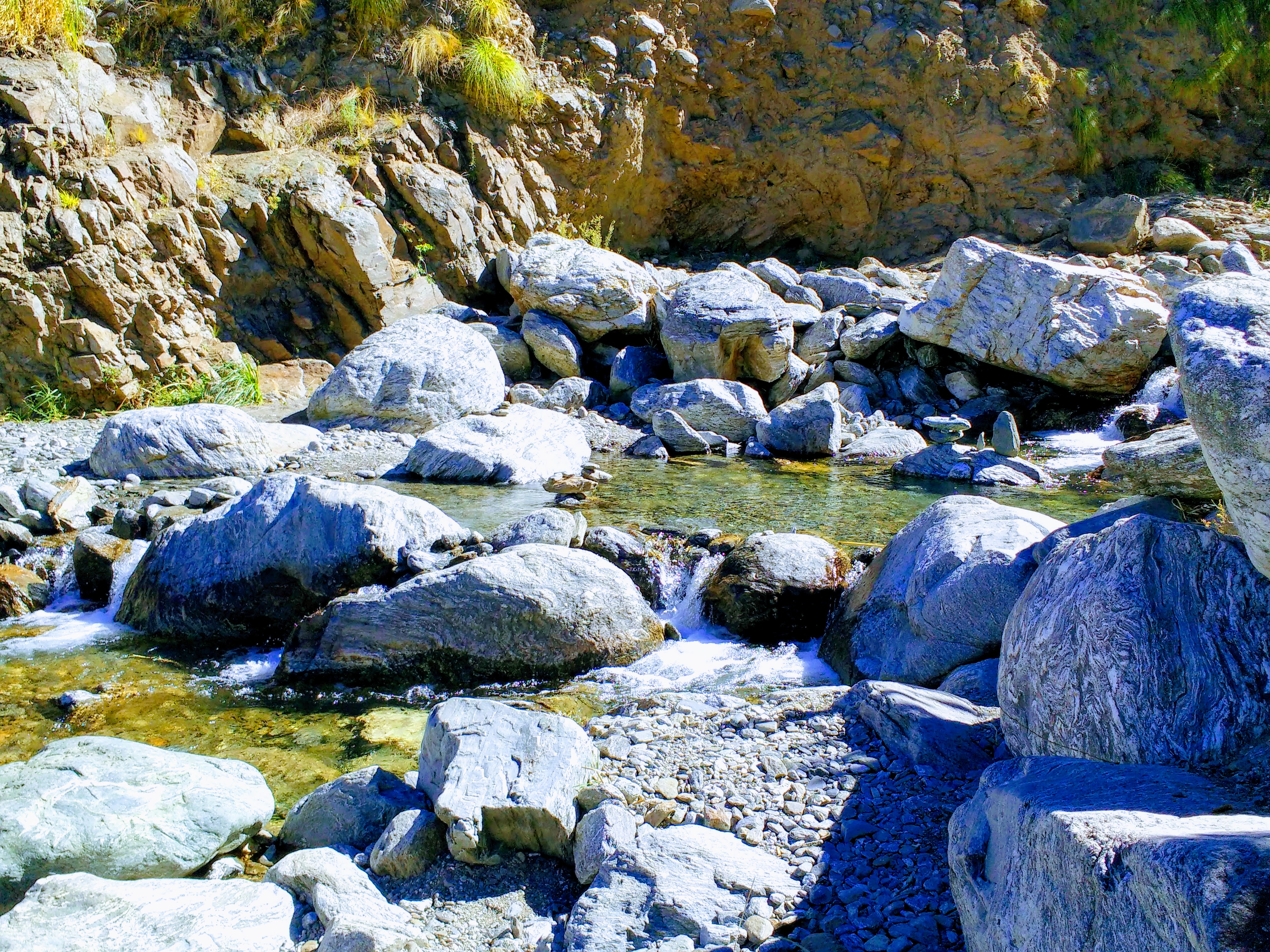
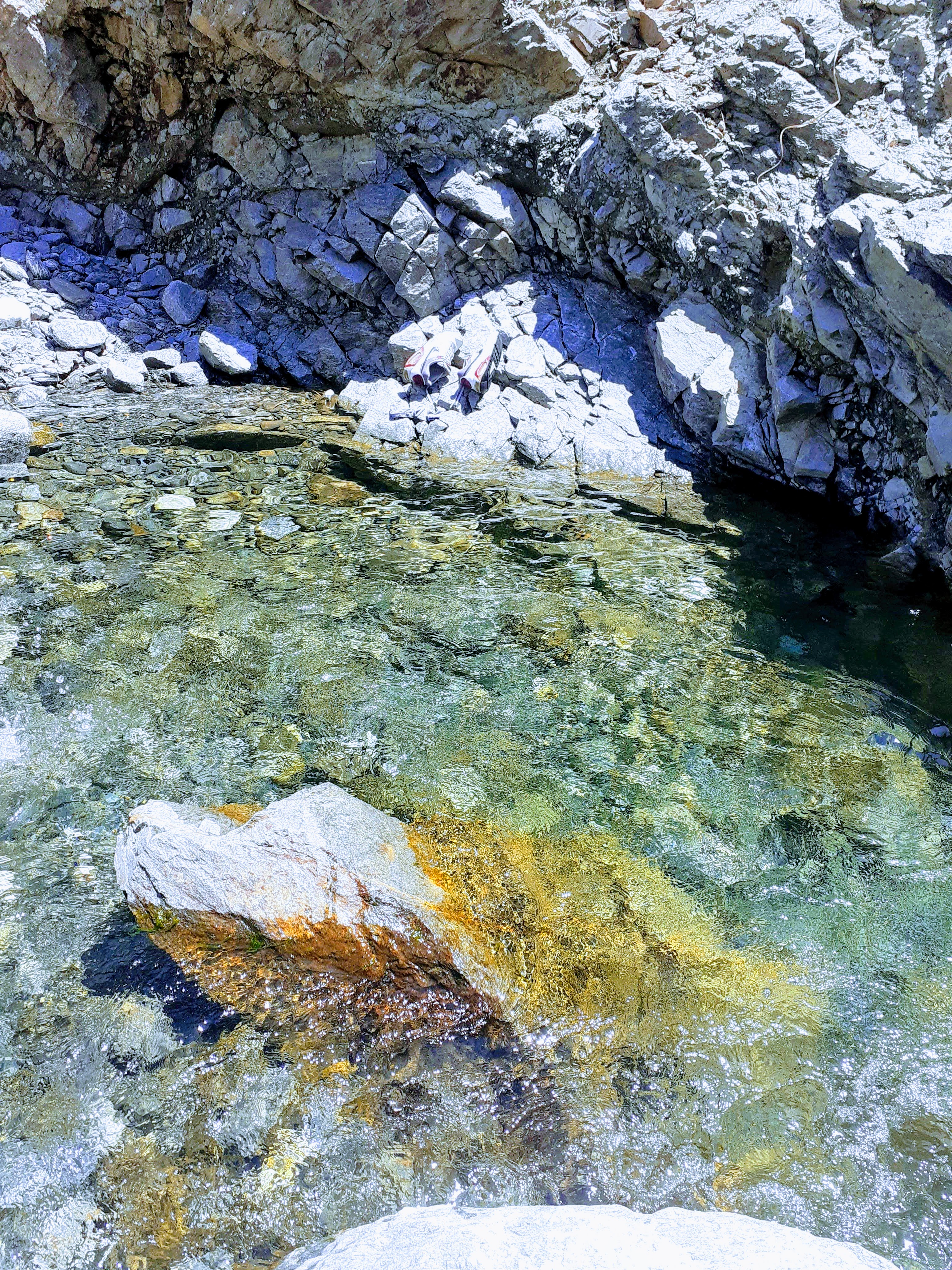
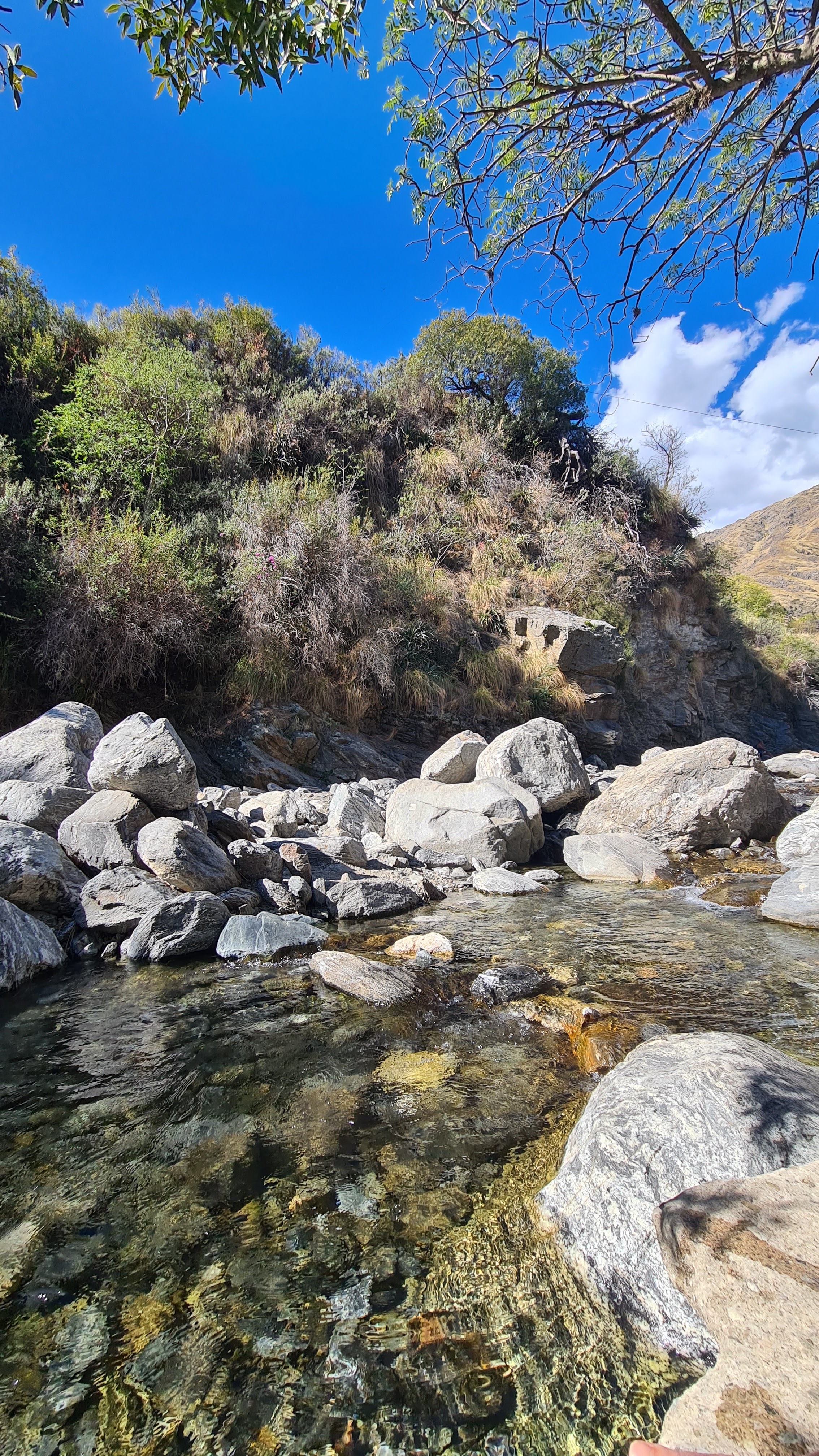
Water in the sierra is scarce and precious. Small seasonal streams run after the rains and feed springs and natural watering holes. Those threads of water are the liveliest point of the reserve: birds gather there at dawn and dusk. Protecting the springs therefore means protecting all the wildlife. That is why the reserve pays special attention to the watercourse zones and asks visitors not to disturb them.
03
The reserve mixes contemplation with gentle activity. These are the experiences most enjoyed by those looking for nature without complications.
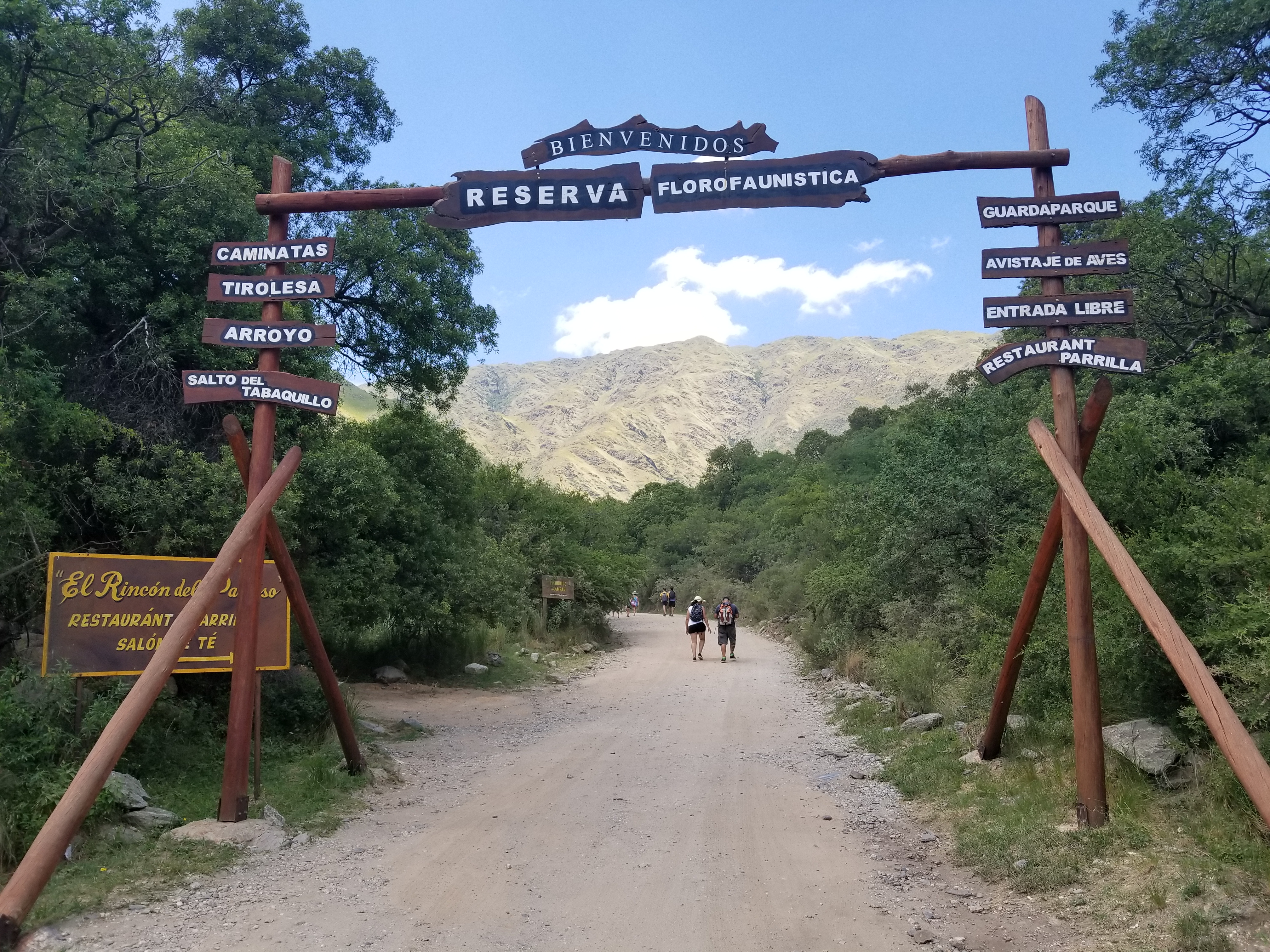
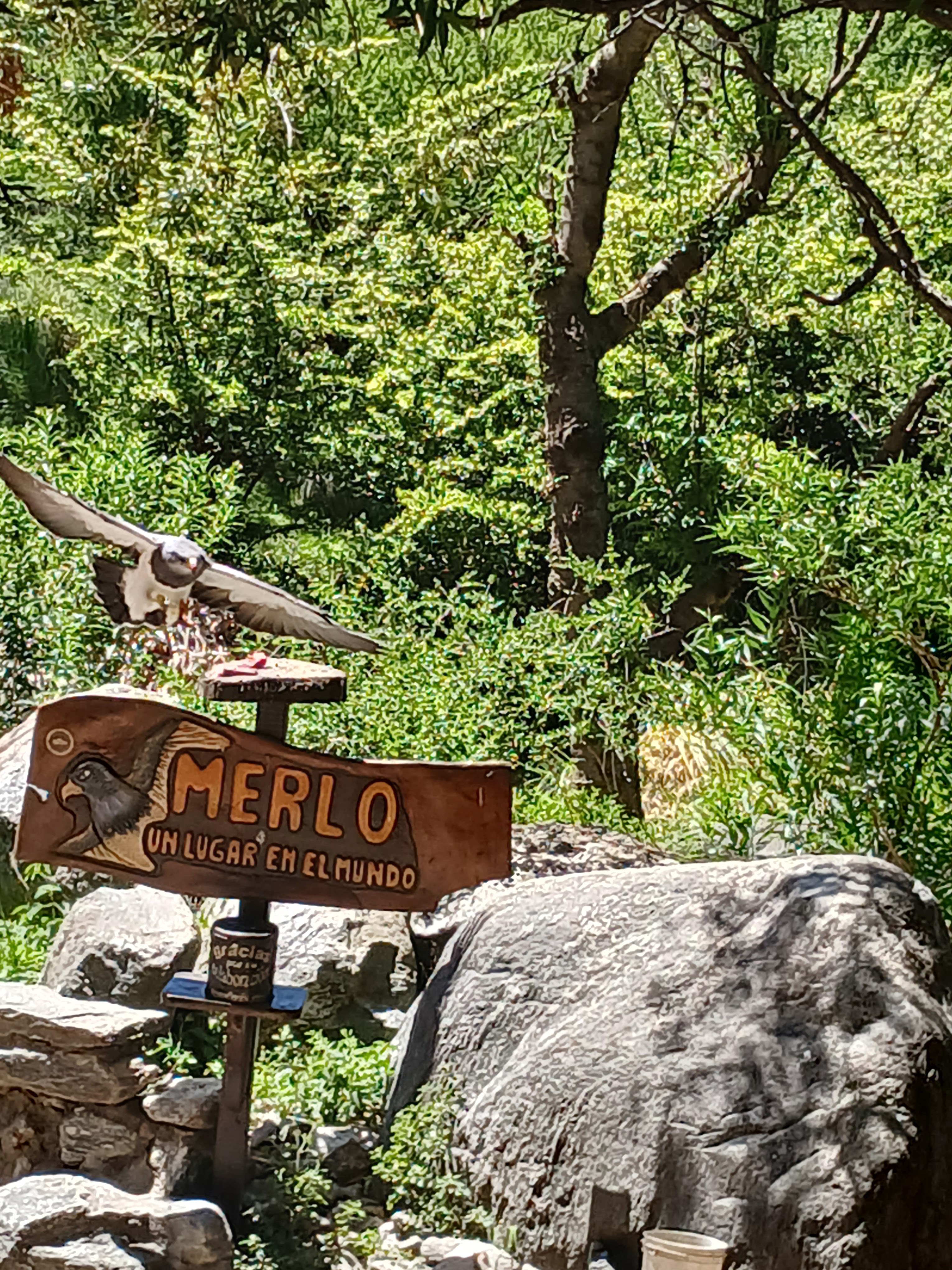
Rincón del Este is an excellent spot for observing birds and small mammals. With binoculars and patience, at dawn it is easy to see chimangos, thrushes, hummingbirds and even vizcachas on the rocks. It is the reserve's flagship activity.
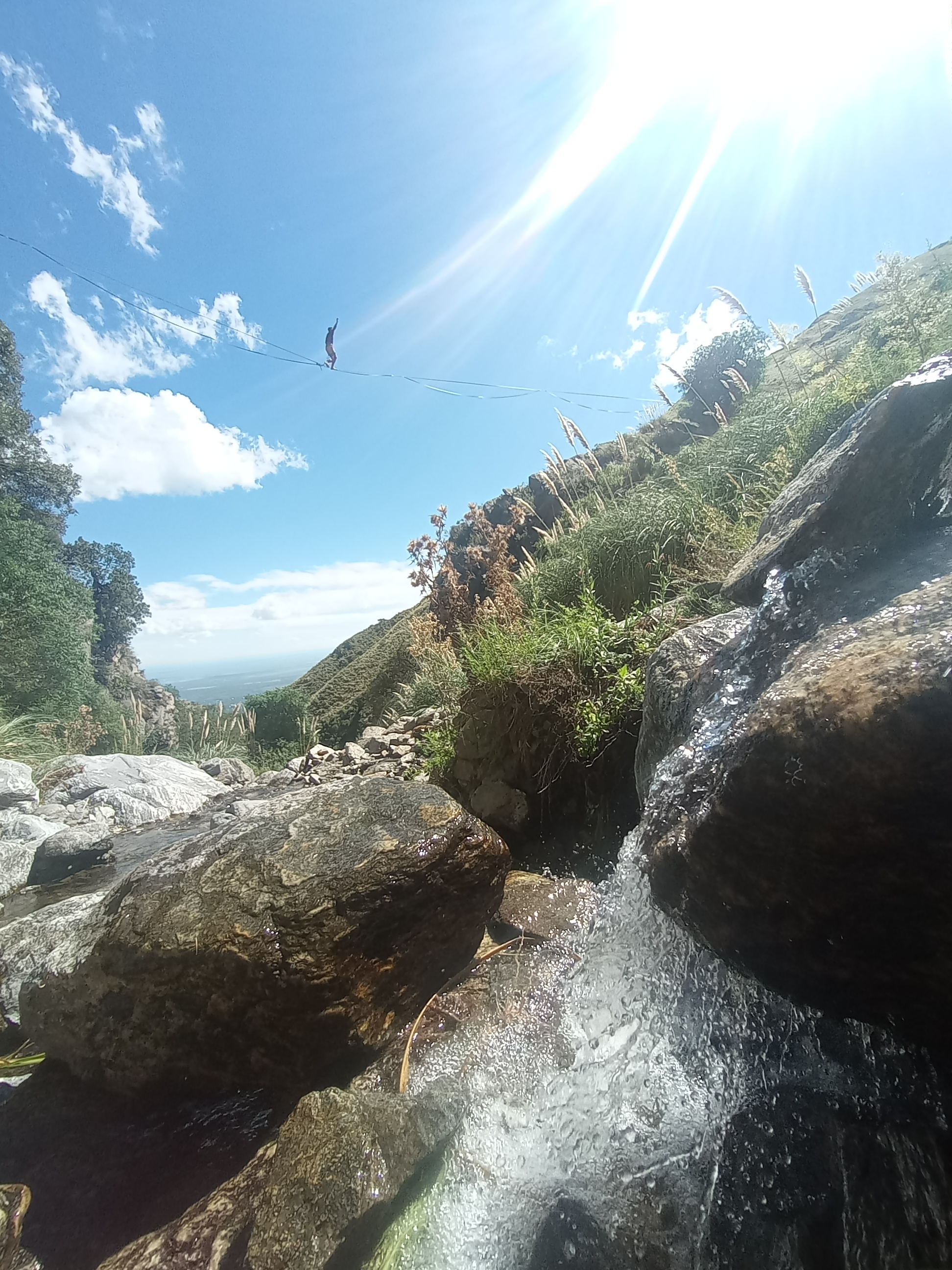
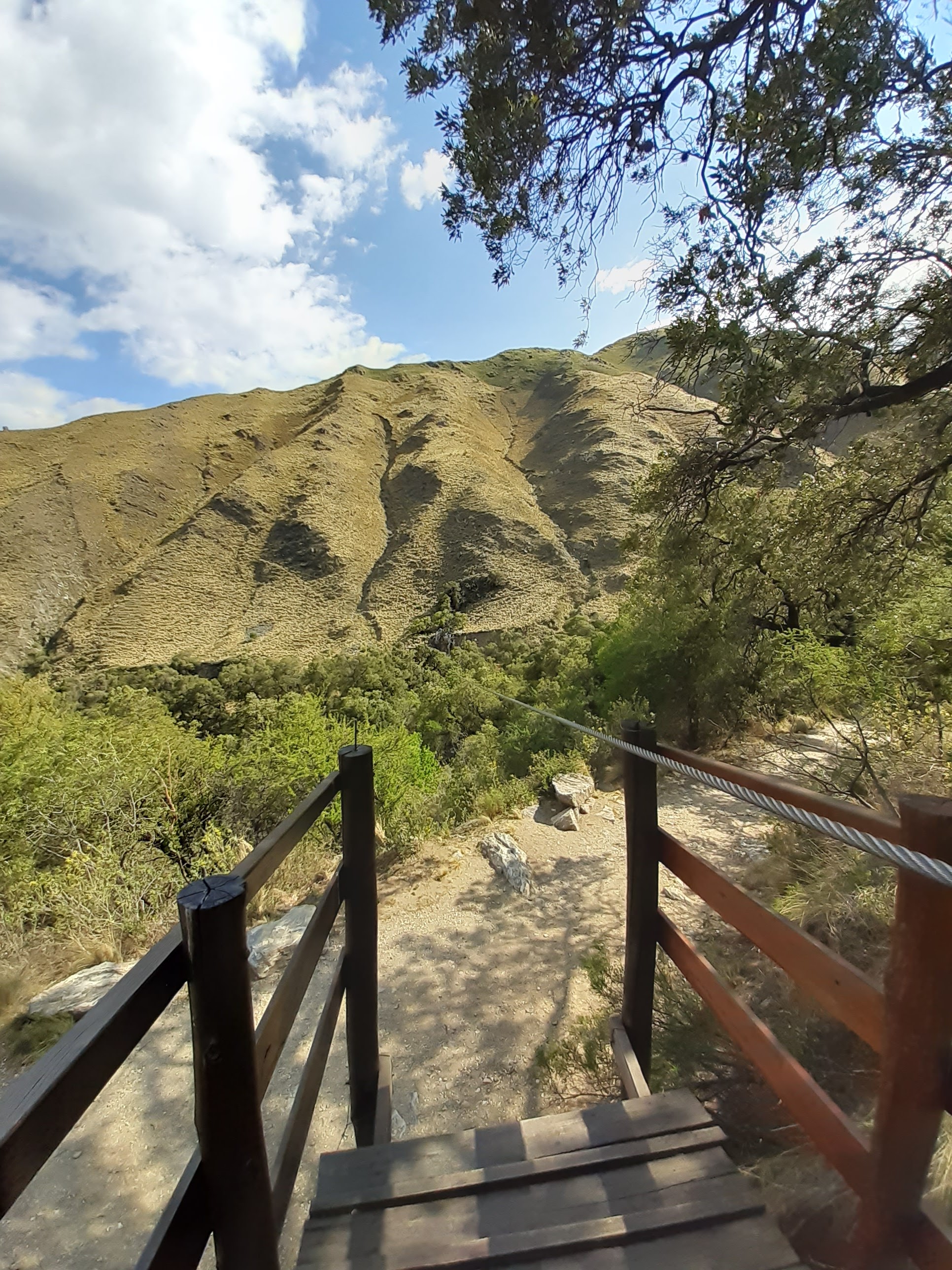
The reserve offers signposted trails through the native woodland up to viewpoints over the ravine. Along the way, signs and guides explain which plant is which and which animal lives in it. Ideal for families and for those who want to learn.
Around Merlo it is common to ride the sierras on horseback. Some local providers include stretches near the reserve, letting you feel the slow rhythm of the mountain without effort. Ask at reception for authorised operators.
The dry, golden light of San Luis turns every rock and cactus into a photographic subject. From close-ups of flora to sierra panoramas, the reserve is an open-air studio for amateurs and professionals.
04
Reading Notes
This page focuses on Rincón del Este near Merlo — an ecological refuge centred on native flora and fauna. We summarise landscape and ecology context, practical transport and safety notes to help you plan with clear expectations.
Ecoregion
The woodland around Rincón del Este is not just “any forest”: it belongs to the Chaco Serrano, a transition ecoregion between plains and sierra. Its biodiversity relies on a delicate balance of dryness, shallow soils and seasonal watercourses.
In this ecoregion, soil and water degrade quickly when foot traffic spreads beyond trails. Every careful visit is a concrete form of conservation.
Rincón del Este is a sensitive ecosystem that sustains native flora and fauna. As an independent non-profit educational guide, we promote visiting it as responsibly as possible.
05
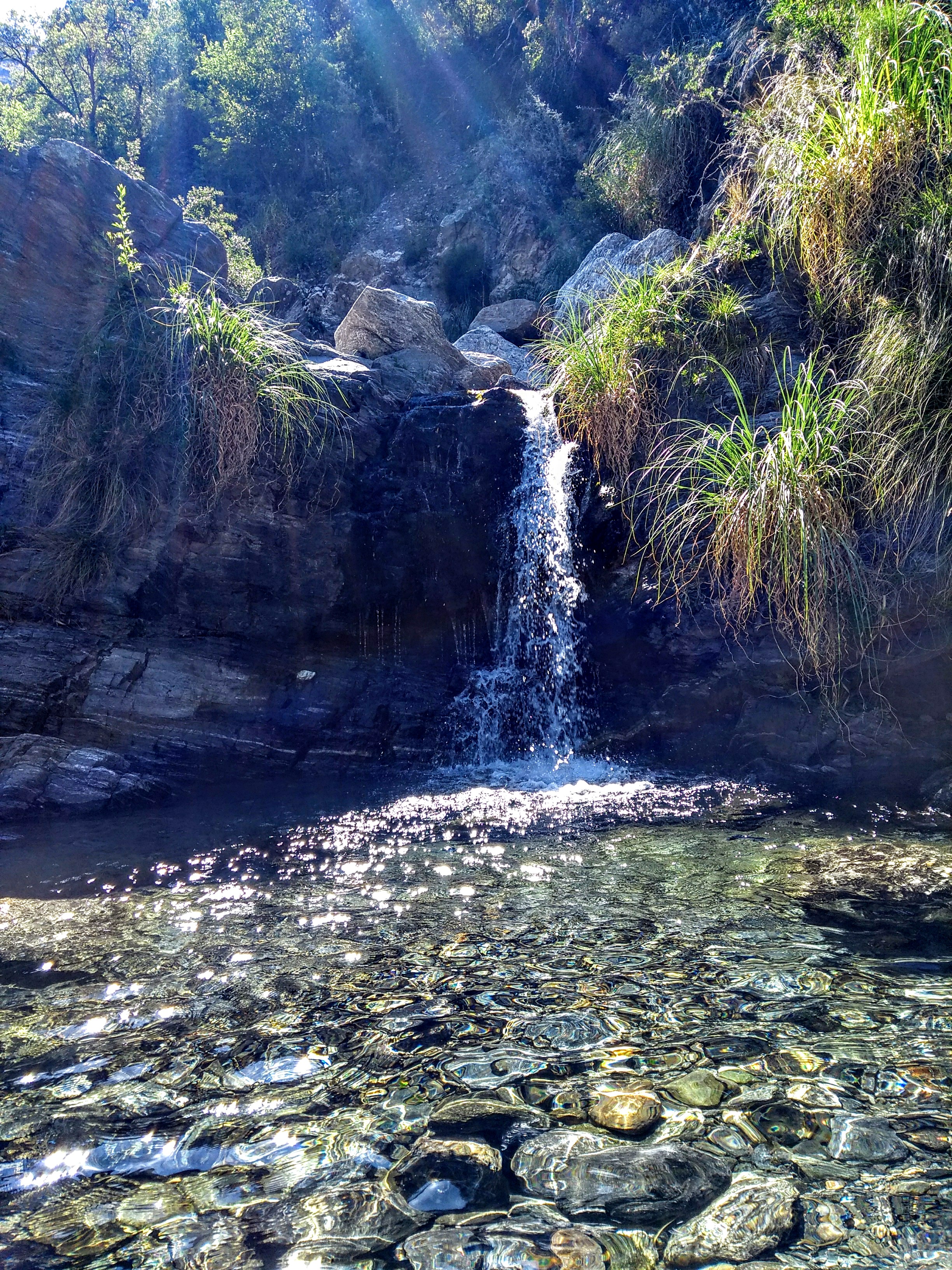
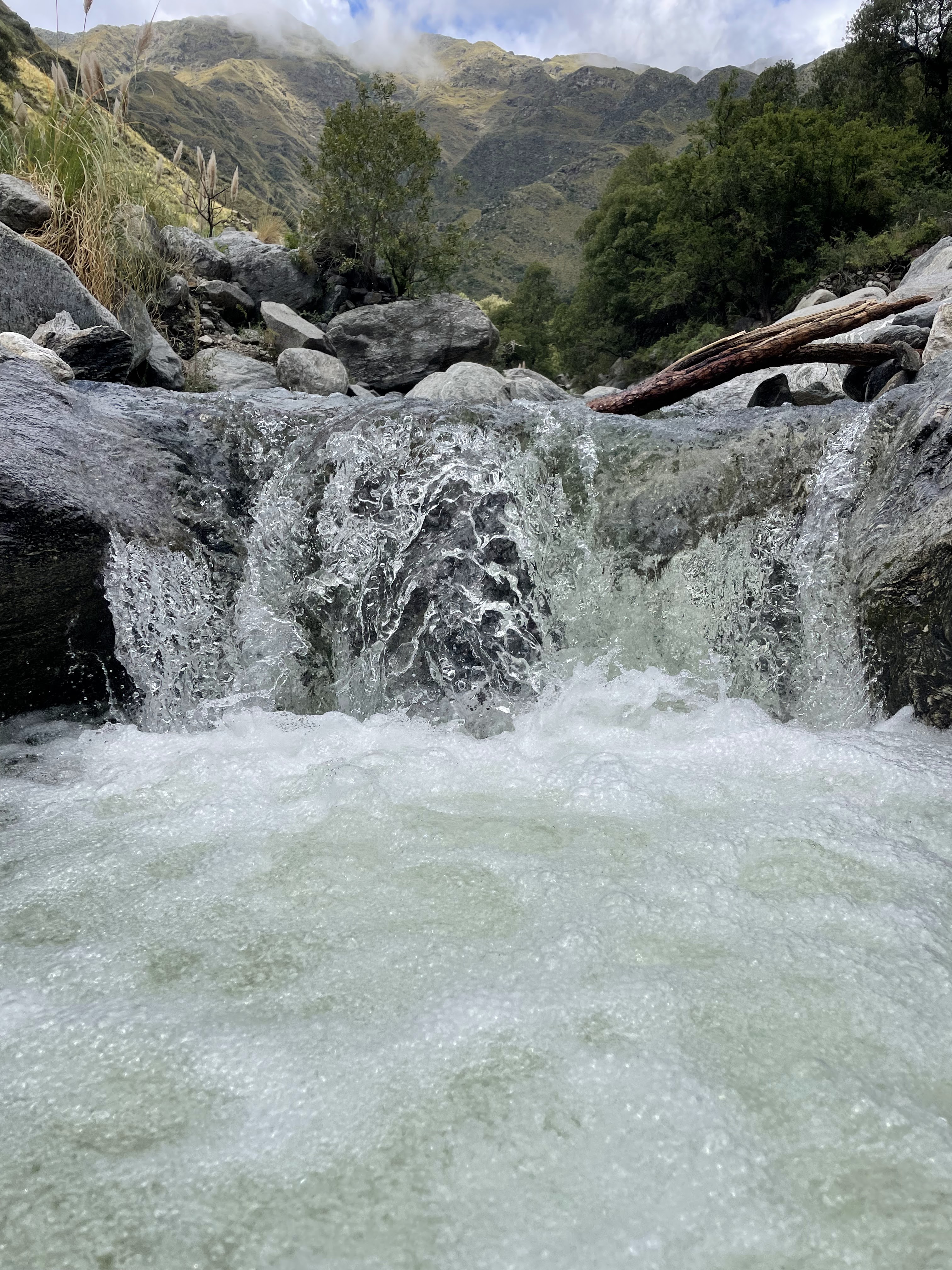
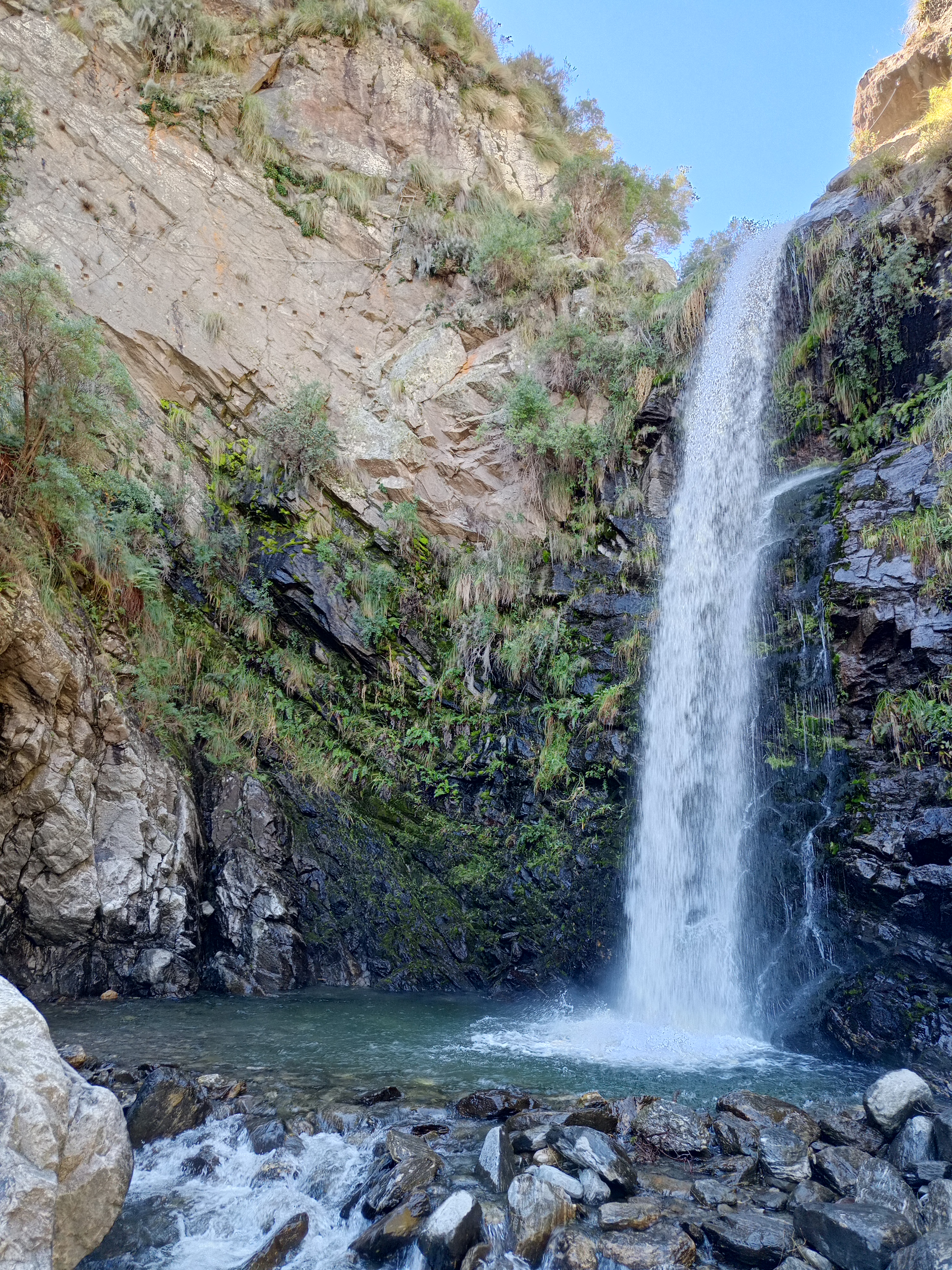
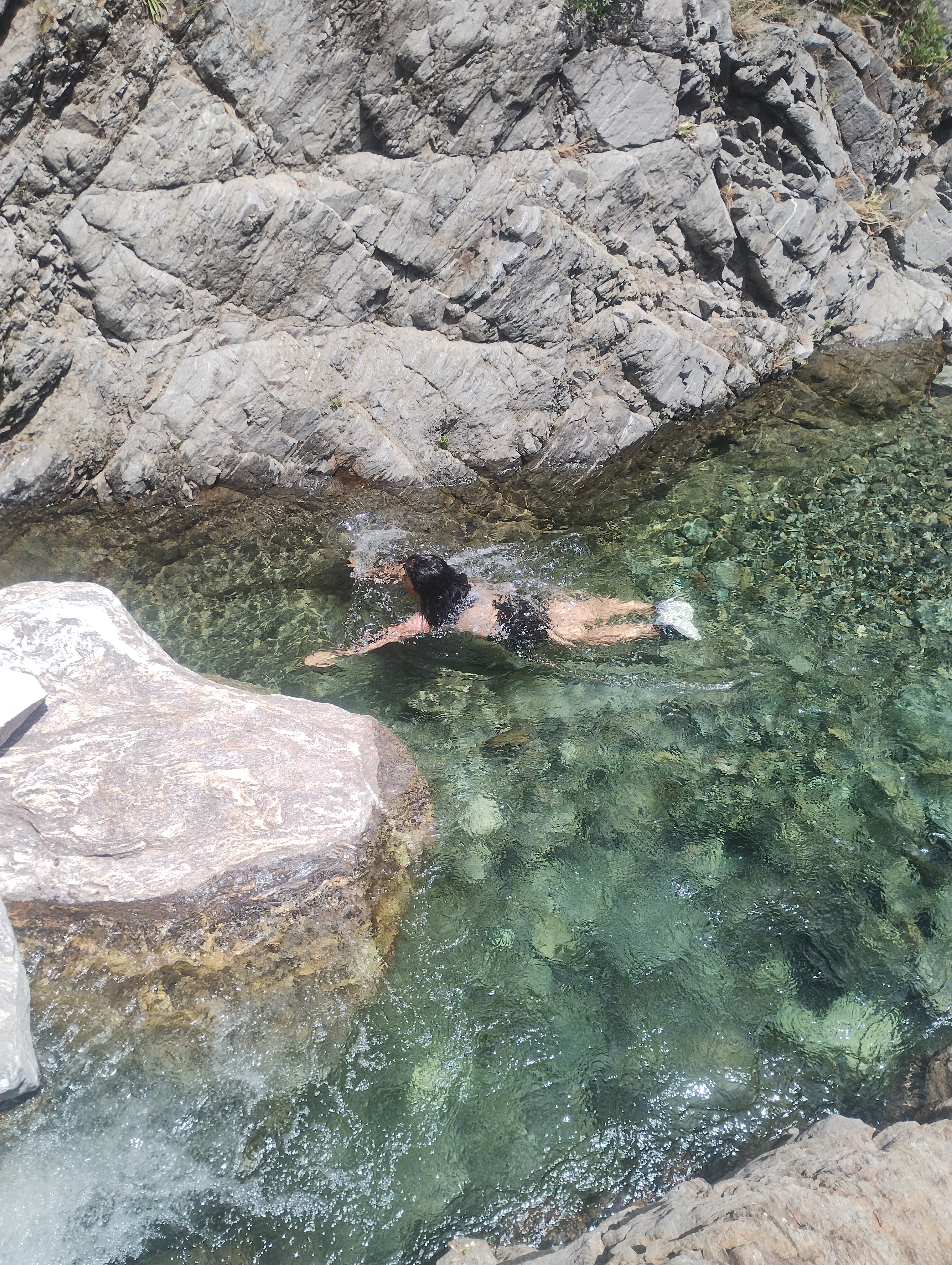
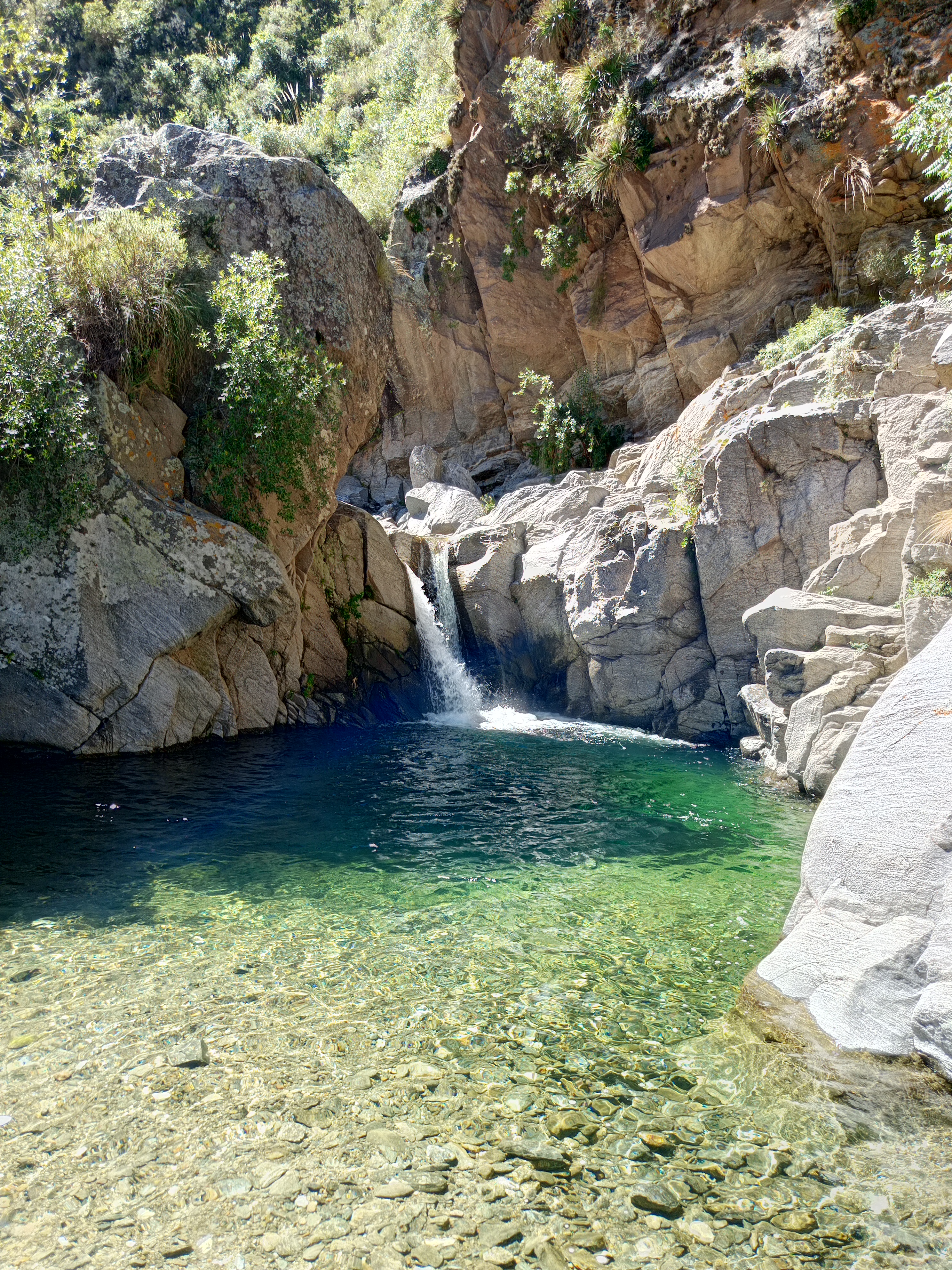
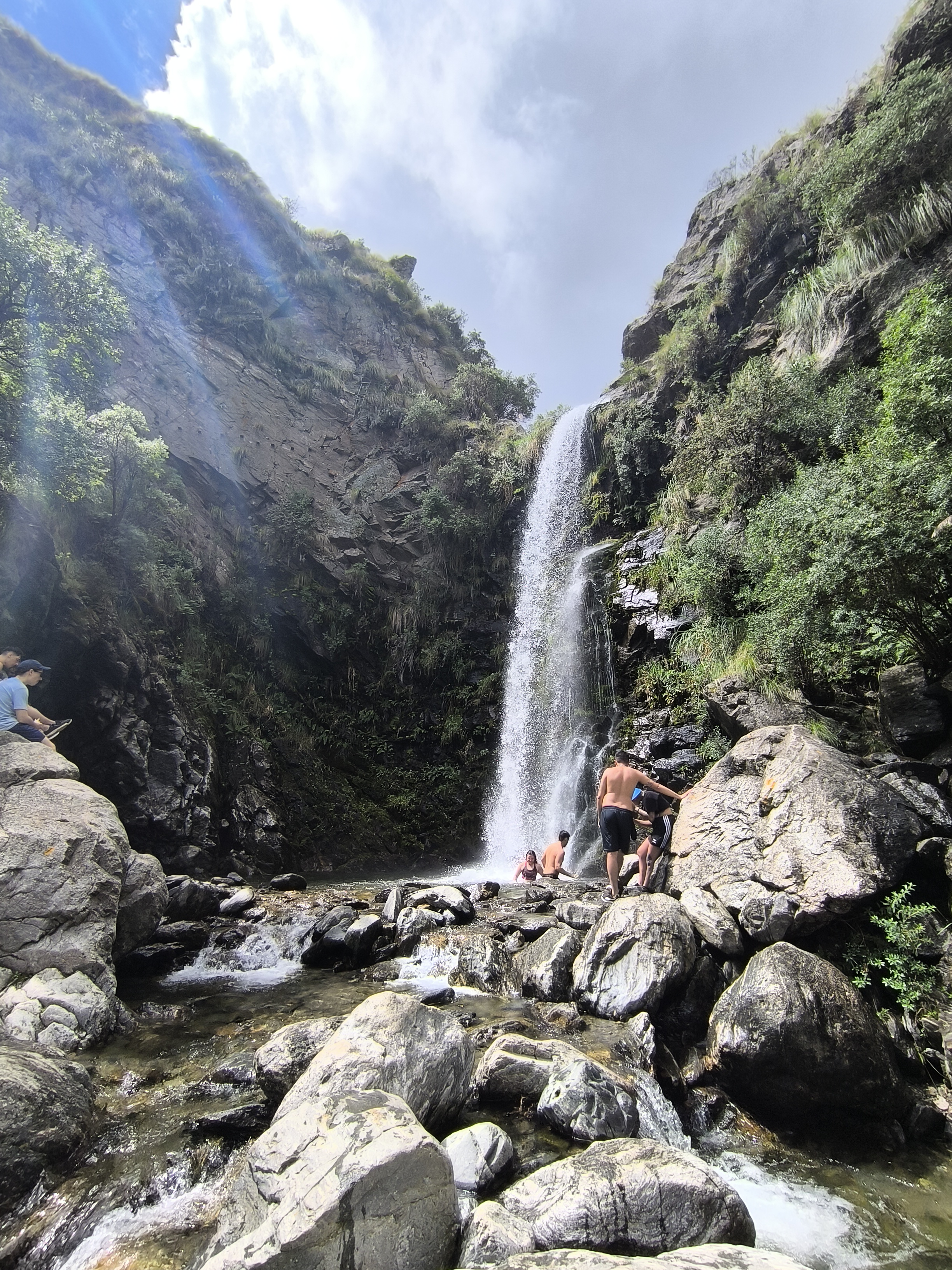
The beauty of Rincón del Este lies in the contrast between what grows and what flows. Beneath the woodland canopy, life hides; among the rocks, stream water gathers shade, freshness and movement. Two faces of one refuge.
Native Woodland
Mountain Streams
06
The reserve can be visited all year, though spring and autumn are the most comfortable seasons. A morning or an afternoon is enough to walk the main trails. The following helps you plan.
Leave No Trace
The principles of Leave No Trace (LNT) are a simple ethic: explore without increasing impact. In a fragile woodland, conservation begins with your steps.
07
08
09
Voices from Rincón del Este: real Google Maps testimonials
La Reserva de Rincón del Este es un lujo de tranquilidad. Caminamos los senderos interpretativos al amanecer y vimos chimangos, colibríes y hasta una vizcacha entre las rocas. Ideal para ir con la familia desde Merlo.
A hidden gem near Merlo. The native woodland and the sierra light are beautiful, and the guides explained the flora without rushing. Bring water and a hat — the sun is no joke here.
Posto incantevole e tranquillo. Abbiamo fatto il sentiero e il mirador sulla quebrada: luce dorata e silenzio. Perfetto per il birdwatching, portate il binocolo. Merlo è vicinissima.
Rincón del Este 太安静治愈了!清晨的原生丛林里鸟鸣不断,向导还讲了科梅琴戈内斯人的彩绘石传说。从梅洛镇开车几分钟就到,非常适合亲子。记得带水和防晒。
Muy buena opción para una mañana en Merlo. Los senderos están bien señalizados y el mirador vale la pena. Ojo con el sol y llevar repelente en verano; el ingreso es un aporte módico.
Volví varias veces y siempre sorprende. La reserva cuida de verdad el monte nativo y las mariposas en primavera son una joya. Imperdible si estás en San Luis y querés naturaleza sin multitudes.
After visiting Rincón del Este, you can add these nearby stops in the Merlo and Comechingones region:
The "little Switzerland" of San Luis, famous for its dry microclimate, its Artisans' Route and its calm pace. Great to stay and walk before or after the reserve.
The mountain system hosting the reserve and the Quebrada del Condorito (Córdoba). Viewpoints, painted stones and mountain skies for nature seekers.
A serran valley near Merlo with a calm-water reservoir, ideal for a shore walk or a restful afternoon after the visit.
10
Learn more about Rincón del Este
It is near El Rincón, in Villa de Merlo, San Luis Province, within the Sierras de los Comechingones. The easiest way is to reach Merlo (a little over 100 km from San Luis city, or by car from Córdoba) and then take a remís or local tour of a few km to the entrance.
The reserve generally opens 10:00–20:00 and charges a symbolic conservation contribution at the gate. Amounts are posted on site; we recommend calling +542664361087 to confirm the day of your visit.
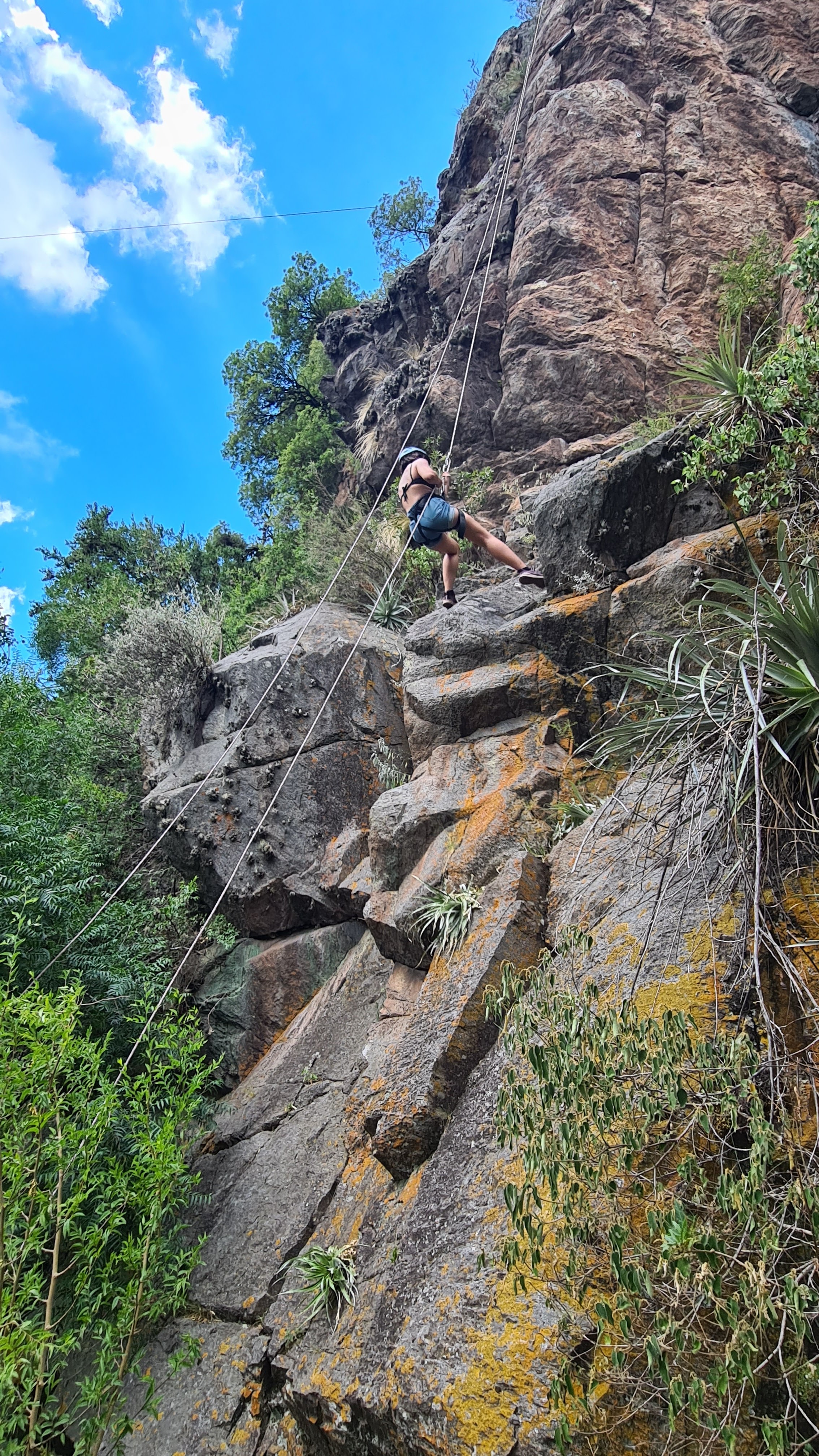
It is ideal for birdwatching, interpretive hiking, horseback riding and nature photography. The trails are calm and suitable for families; supervise children and stay on the marked paths.
The reserve allows rest in designated areas; picnics are usually permitted in assigned zones. To protect the bush, making fire is forbidden and we recommend asking at reception about camping or facility use.
Bring a hat, glasses and sunscreen (radiation in Merlo is very high), at least 1 L of water per person, closed footwear, repellent in spring/summer, and binoculars if you like birds. Arrive early to see more wildlife.
11
Rincón del Este, El Rincón Merlo, San Luis Province Argentina
View on Google Maps12
Hover over (or tap) the map markers to explore the key areas of Rincón del Este.
13
A morning covers the essentials of Rincón del Este; a full afternoon lets you go slower. Use this timeline as a reference.
Fill water, sunscreen and some cash; confirm hours if you have not. Merlo centre is your last supply stop.
Pay entry and pick up the trail map. Guides brief you on the day's conditions and open areas.
Walk the native woodland reading the signs: carob, chañar, jarilla and cactus, and who lives on them.
Climb to the viewpoint for the open sierra and the water thread among the rocks. Good moment for photos.
Rest in the designated area and, with patience, watch birds and butterflies in the clearings.
Head back to the village at dusk, when the golden light gilds the sierras and closes the day at the reserve.